• Home
  • About
  • Contact
  • Privacy Policy
   
  • Home
  • About
  • Contact
  • Privacy Policy

Musical Instrument

What is a Musical Instrument?A musical instrument is any object that produces sound and is used for musical expression. It can be acoustic, electric, or digital, and played in various ways—blown, struck, plucked, or bowed.
🧭 Classification of Musical Instruments
​
There are several classification systems, but the most widely accepted is the Hornbostel–Sachs system, which categorizes instruments by how they produce sound.
A. Aerophones (Sound by air vibration)
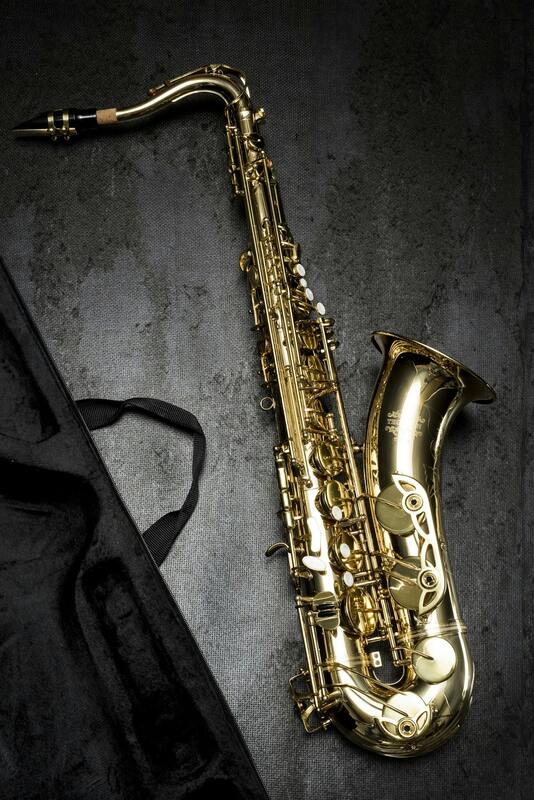
  • Examples: Flute, trumpet, saxophone, harmonica, didgeridoo.
  • Sub-types:
    • Woodwinds (e.g., clarinet, oboe)
    • Brass (e.g., trombone, tuba)
    • Free-reed (e.g., accordion)
B. Chordophones (Sound by vibrating strings)
  • Examples: Guitar, violin, harp, cello, sitar.
  • Sub-types:
    • Bowed (e.g., violin)
    • Plucked (e.g., lute)
    • Struck (e.g., hammered dulcimer)
C. Idiophones (Sound by the material itself vibrating)
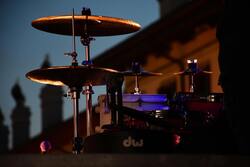
  • Examples: Xylophone, cymbals, maracas, triangle.
  • Sub-types:
    • Struck (e.g., bell)
    • Plucked (e.g., jaw harp)
    • Friction (e.g., glass harmonica)
D. Membranophones (Sound from a stretched membrane)
  • Examples: Drums (snare, conga, tabla), tambourine.
  • Sub-types:
    • Hand drums
    • Stick drums
    • Pedal drums
E. Electrophones (Sound produced or amplified electrically)
  • Examples: Synthesizer, electric guitar, theremin, drum machine.
📐 Musical Ranges and Tuning
  • Range: The span from the lowest to highest pitch an instrument can play.
  • Tuning Systems:
    • Equal Temperament (Western standard)
    • Just Intonation (Used in some vocal and early music)
    • Microtonal (Used in Indian, Persian, Arabic, and experimental music)
Many instruments have standard tunings (e.g., guitar: E-A-D-G-B-E) but can also be altered for specific genres or personal styles.

🧽 Care and Maintenance
Proper care ensures longevity and performance.
General Tips:
  • Clean regularly (remove dust, moisture)
  • Store properly (humidity, temperature control)
  • Stringed instruments: Change strings periodically
  • Wind instruments: Clean mouthpieces, valves
  • Percussion: Replace drumheads if damaged
  • Electronics: Use surge protectors, keep dry

​🌍 Cultural Significance
​
Different cultures have unique instruments:
  • Africa: Djembe, balafon, kora
  • India: Sitar, tabla, bansuri
  • China: Erhu, guzheng, dizi
  • Middle East: Oud, ney, darbuka
  • Western Classical: Violin, piano, clarinet
  • Latin America: Charango, pan flute, conga
Picture
🧠 8. Learning and PracticeSkills Required:
  • Finger dexterity
  • Ear training
  • Rhythm and timing
  • Reading music (notation or tablature)
  • Improvisation (jazz, blues, Indian classical, etc.)
Practice Tips:
  • Regular, focused practice is better than long, infrequent sessions.
  • Use a metronome.
  • Record yourself.
  • Learn theory (scales, chords, modes).

Picture
🛠️ DIY and Building Instruments
You can make simple instruments from everyday materials:
  • Kazoo: Paper + comb
  • Shaker: Bottle + rice/beans
  • Box guitar: Rubber bands + tissue box
  • Drum: Bucket or pots


​🧬 Digital and Experimental Instruments
  • MIDI Controllers: Trigger sounds via digital interface
  • Loop Stations: Layer sounds in real-time
  • Augmented Instruments: Combine acoustic & digital tech
  • AI Instruments: Use algorithms to generate or assist music
  • Home
  • About
  • Contact
  • Privacy Policy